Don't leave any aspect of your financial well-being to chance; protect yourself with the right insurance coverage for all your needs.
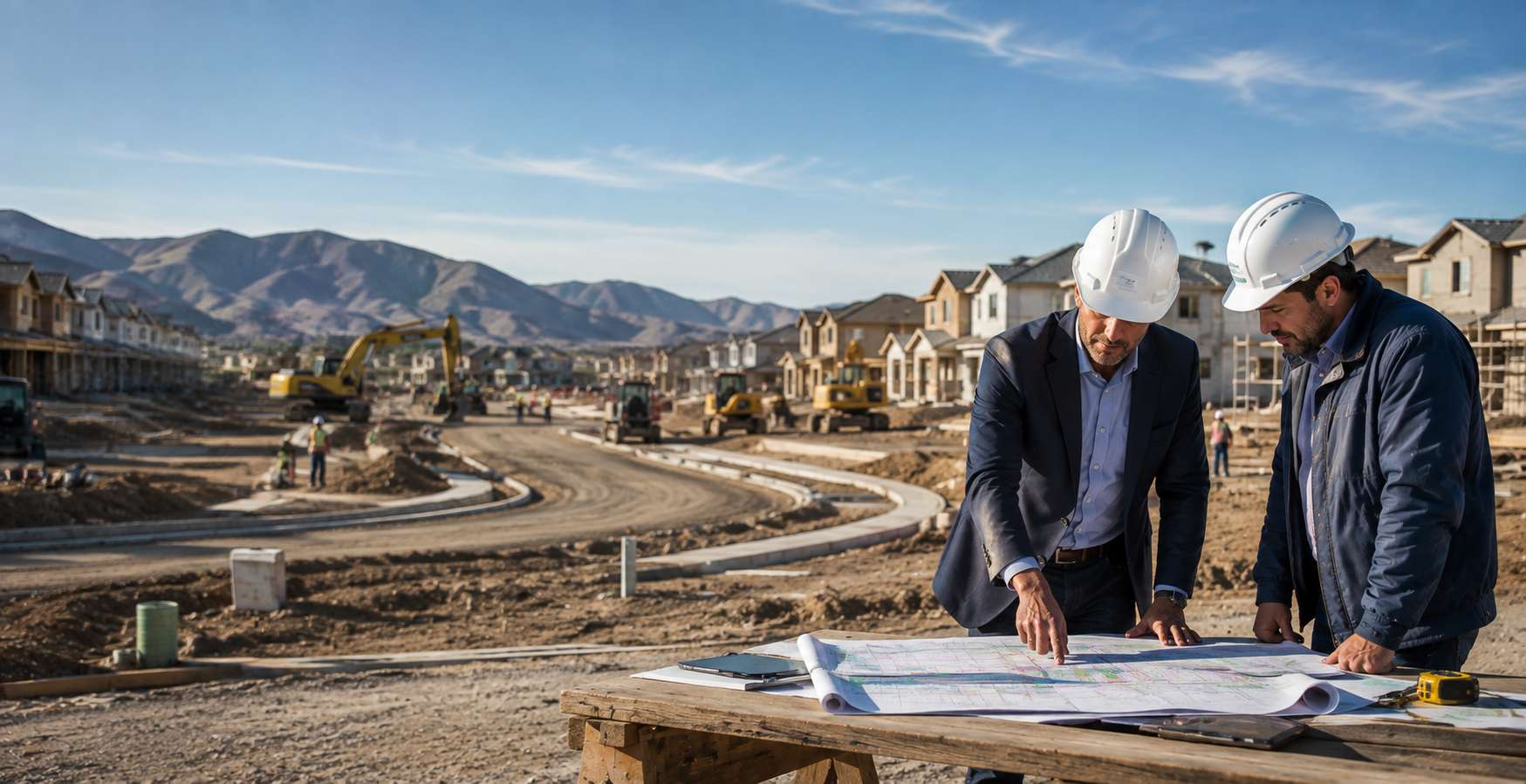
A subdivision bond is a type of surety bond required by many local governments before a developer can begin or continue work on a subdivision project. It guarantees that the developer will complete certain public improvements as agreed with the city, county or other governing authority.
In simple terms, the bond protects the municipality and the public. If the developer does not complete the required improvements, the bond gives the local authority a way to recover costs or have the work completed.
A subdivision bond usually involves three parties:
The Principal
This is the developer, contractor or property owner required to obtain the bond.
The Obligee
This is the city, county or municipality requiring the bond.
The Surety
This is the company that issues the bond and provides the financial guarantee.
Subdivision bonds are commonly required for projects that involve dividing land into smaller lots for residential, commercial or mixed-use development. They are often tied to work that will eventually benefit the public, such as roads, sidewalks, utilities and drainage systems.


The process usually begins when a municipality reviews a developer’s plans and identifies the public improvements required for the project. The local authority may then require a bond before granting final approval or allowing certain work to move forward.
The bond amount is often based on the estimated cost of completing the improvements. In some cases, the municipality may add a percentage above the estimated cost to account for inflation, administrative costs or unexpected expenses.
Once the bond is issued, the developer is expected to complete the required work according to the agreed plans and timeline. After the improvements are finished and accepted by the municipality, the bond may be released or reduced.
If the developer fails to complete the work, the municipality may file a claim against the bond. If the claim is valid, the surety may arrange for completion of the work or pay the municipality up to the bond amount. The developer is then responsible for reimbursing the surety.
This structure helps ensure accountability while giving public agencies a reliable safety net.
Subdivision bonds are commonly needed by:
Subdivision bonds play an important role in turning undeveloped land into usable, well-planned communities. They protect municipalities, support public infrastructure and help developers satisfy local requirements without unnecessarily freezing project capital.
For developers, having the right bond is not just about meeting a rule. It is about keeping the project moving, building trust with local authorities and showing that the promised improvements will be completed responsibly.
Whether the project involves a small residential subdivision or a larger mixed-use development, a subdivision bond can help create the confidence needed to move from approval to construction and from construction to completion.
With the right bonding support, developers can focus on what matters most: building projects that are ready for the people and communities they are designed to serve.